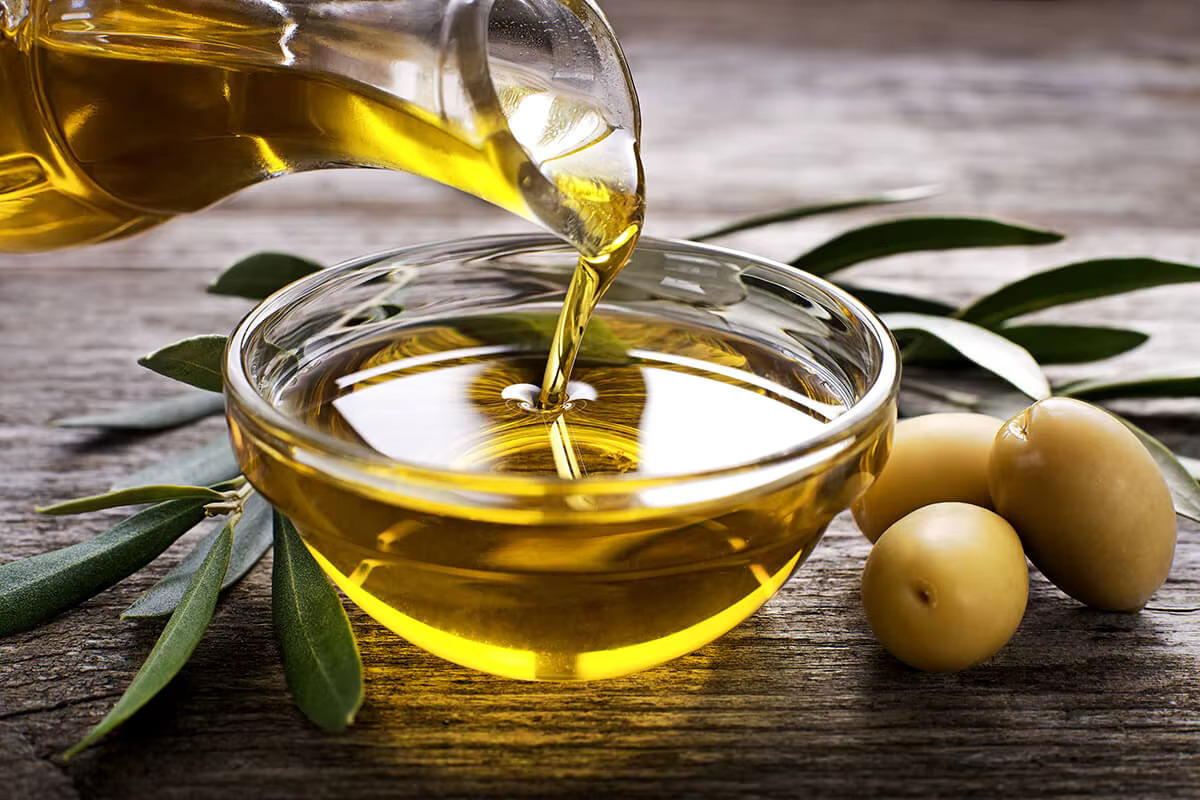
Olive oil is one of the most widely consumed vegetable oils worldwide. However, not all olive oils on the market are of the same quality. The production method, the harvesting time of the olives used, and the storage conditions can significantly affect both the flavor and the natural components of olive oil.
Therefore, being able to recognize genuine, high-quality olive oil has become increasingly important for informed consumers.
Olive Oil Production Method
High-quality olive oil is generally extra virgin olive oil, obtained through mechanical methods. This type of olive oil is produced using only physical methods, without any chemical processing.
After the olives are harvested, they are pressed shortly afterwards, and the oil is extracted mechanically at low temperatures. This method can help preserve both the natural aroma and the bioactive compounds in the olive oil.
Therefore, products labeled "extra virgin olive oil" are generally in the highest quality category.
Harvest Time: Early Harvest Olive Oil
One of the important factors affecting the quality of olive oil is the harvest time.
Olive oil obtained when olives are harvested before they are fully ripe is often called early harvest olive oil. These types of olive oils are often:
- more intense aroma
- more pronounced bitterness
- slight burning sensation in the throat It exhibits characteristics such as these.
These sensory characteristics are generally due to the higher levels of polyphenol compounds found in olive oil.
Polyphenol Content
In recent years, one of the key criteria for evaluating high-quality olive oil has been its polyphenol content.
Polyphenols are natural antioxidant compounds found in olives and olive oil. Specifically, compounds like hydroxytyrosol, oleuropein, and oleocanthal contribute to the characteristic taste properties of olive oil.
Polyphenol-rich olive oils typically contain:
- slight bitterness
- burning sensation in the throat
- intense aromatic structure It might be more noticeable.
Therefore, these characteristics, which surprise some consumers when they taste it for the first time, may actually be one of the natural characteristics of high-quality olive oil.
Tasting Characteristics of Olive Oil
In professional olive oil tastings, the quality of the oil is evaluated according to specific sensory criteria.
A high-quality olive oil typically possesses the following characteristics:
- fruity aroma
- slightly bitter taste
- a burning sensation in the throat
These three characteristics are related to the natural phenolic compounds in olive oil.
Conversely, some tastes and smells are considered negative in terms of quality. For example:
- musty or damp smell
- metallic taste
- stale or oxidized flavor
These characteristics may indicate that the olive oil was not produced or stored under appropriate conditions.
Packaging and Storage Conditions
Olive oil is a product that can be affected by light, oxygen, and temperature. Therefore, high-quality olive oils generally:
- in dark glass bottles
- in light-impermeable packaging It is presented.
This type of packaging can help slow down the oxidation of olive oil.
When storing olive oil at home, it is recommended to keep it in a cool, dark place.
Label Information
When buying olive oil, it can be helpful to pay attention to certain information on the label.
For example:
- harvest year
- production method
- region of origin
- Polyphenol content (specified in some premium products)
This information can give consumers a better idea about the quality of the product.
Conscious Consumption and Olive Oil
Choosing olive oil isn't just about price or brand. The production method, harvest time, and natural compounds it contains are all important factors that determine the character of the olive oil.
Therefore, recognizing quality olive oil allows us to appreciate it not only as a culinary product but also as an important part of our nutritional culture.