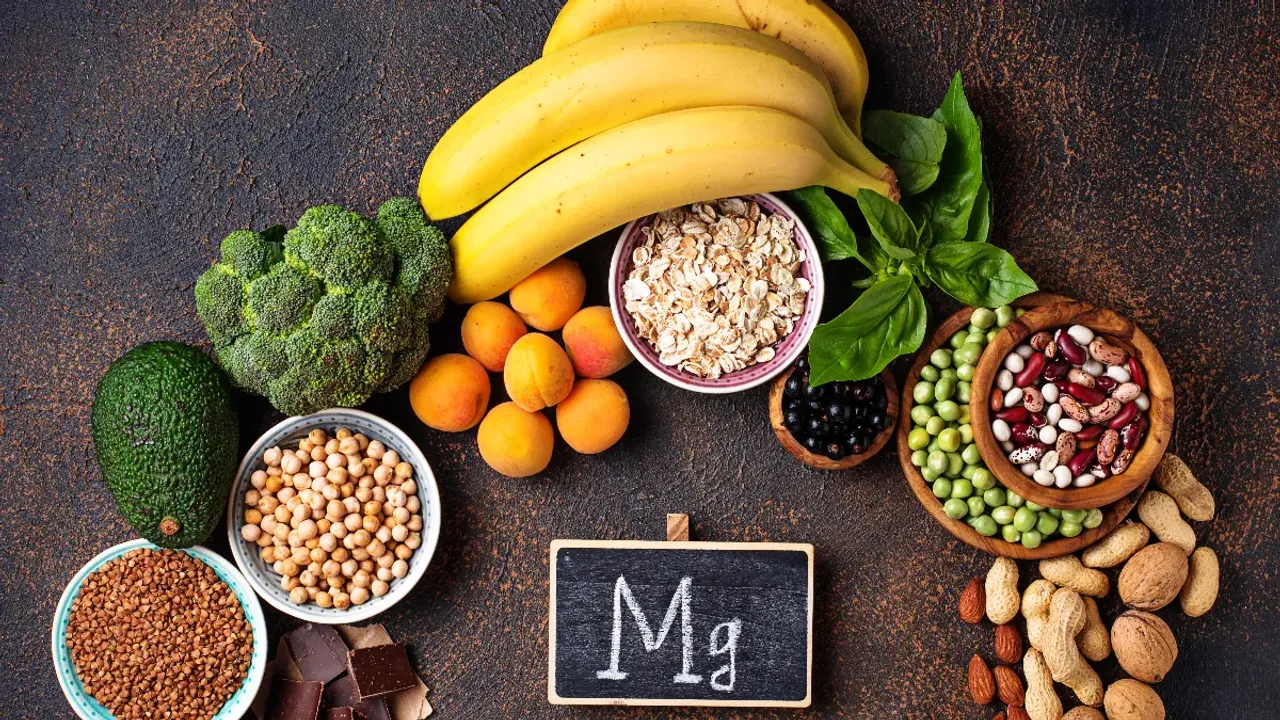
Magnesium is one of the essential minerals needed for the body to function healthily. It plays a role in over 300 biochemical reactions, from muscle function to nervous system health. However, due to irregular diets and stress brought about by modern life, magnesium deficiency has become quite common.
When the body doesn't receive enough magnesium, various health problems can arise. Therefore, it's very important to know the symptoms of magnesium deficiency.
Functions of Magnesium in the Body
Magnesium is a mineral that supports many important functions in the body. Its main roles are:
- To support muscle and nervous system functions.
- To contribute to energy production.
- Supporting bone health
- To help regulate heart rhythm.
- Playing a role in protein synthesis
Because of these functions, magnesium deficiency can affect different systems of the body.
Symptoms of Magnesium Deficiency
Magnesium deficiency may begin with mild symptoms in some people, but can become more pronounced over time.
Muscle cramps
Magnesium plays an important role in muscle relaxation. A deficiency can lead to muscle cramps and spasms.
Fatigue and Low Energy
Magnesium is one of the essential minerals for energy production. A deficiency can cause people to feel more tired.
Sleep Problems
Magnesium is known for its calming effect on the nervous system. A deficiency can negatively impact sleep quality.
Headache
In some people, magnesium deficiency may be associated with headaches and migraine attacks.
Irritability and Stress
Because it affects the nervous system, magnesium deficiency can lead to feelings of stress and tension in some people.
Which foods contain magnesium?
Magnesium occurs naturally in many foods. Some of these are:
- Spinach and leafy green vegetables
- Almonds and hazelnuts
- Pumpkin seeds
- Whole grains
- Avocado
- Banana
A balanced diet can help meet magnesium needs.
Conclusion
Magnesium is a mineral that plays a role in many important functions, from muscle health to energy production. Adequate intake through a regular and balanced diet is important for overall health.